
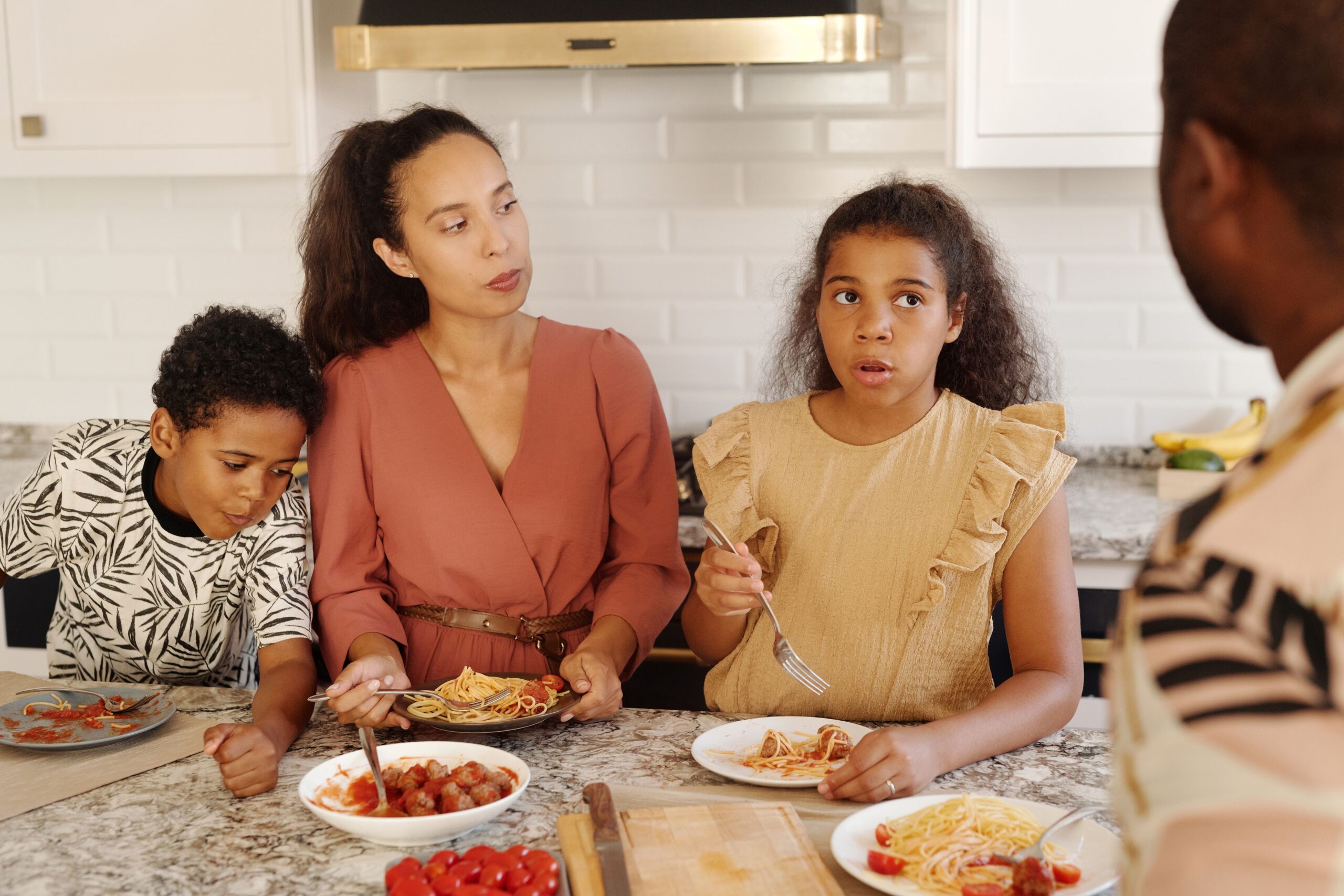
Planning dinner for a picky eater can feel like negotiating a tiny trade agreement every night. A useful menu maker can help you see the week at a glance, but the real trick is simpler: build meals around one familiar food, one filling main, and one low-pressure “learning” food. That gives your child somewhere safe to start without requiring you to cook a second dinner.
This is not a plan for making children eat broccoli. It is a plan for making dinner predictable enough that broccoli, beans, a new sauce, or a different shape of pasta can appear without turning the table into a courtroom.

The dinner formula that does the heavy lifting
For most family dinners, use this four-part template:
- One accepted food: something your child usually eats, such as bread, rice, plain pasta, fruit, yogurt, or cucumber.
- One protein or hearty main: eggs, chicken, beans, lentils, fish, tofu, cheese, or meat, prepared in a way the family enjoys.
- One bridge food: a small variation that connects the accepted food to something new, such as buttered noodles beside noodles with sauce or a familiar tortilla beside a quesadilla.
- One tiny learning food: a pea-sized or otherwise very small portion of a food your child is still getting to know.
The learning food does not have to be eaten. It can sit on the plate, be touched, smelled, licked, or ignored. The CDC guidance on picky eaters notes that young children may need 8 to 10 exposures before they are willing to try some foods. That is a reason to repeat calmly, not a reason to count bites at the table.
My strong preference is to repeat the same meal architecture while changing only one detail. If everything changes at once, a child cannot tell what was safe. If only the shape, dip, temperature, or preparation changes, you have a much clearer path from “no” to “maybe.”
Seven dinner templates for this week
Monday: Build-your-own taco plates
- Accepted food: tortilla strips, plain rice, or corn.
- Main: seasoned chicken, beans, or shredded cheese.
- Bridge: a folded quesadilla with the filling served separately.
- Learning food: one small piece of avocado, tomato, lettuce, or salsa.
Serve the ingredients separately rather than hiding everything inside one taco. Separation gives a selective eater control over texture and lets the rest of the family assemble a more adventurous plate. A child who refuses salsa may still accept a tomato cube next to the tortilla; that is not a failure, it is useful information.
Tuesday: Pasta two ways
- Accepted food: plain pasta with butter or olive oil.
- Main: meatballs, lentil balls, chicken pieces, or white beans.
- Bridge: sauce in a dipping cup or on only a few noodles.
- Learning food: a small broccoli floret, roasted zucchini coin, or grated carrot.
Put the sauce on the table, not necessarily over the whole serving. This prevents a new flavor from “contaminating” the entire portion. If your child will only eat plain pasta, start with one sauced noodle alongside the familiar bowl and stop there.
Wednesday: Crispy, soft, and dip-friendly
- Accepted food: crackers, toast, roasted potatoes, or a familiar grain.
- Main: chicken strips, fish cakes, tofu cubes, or chickpea patties.
- Bridge: the same food in a new shape, such as potato wedges instead of mashed potatoes.
- Learning food: yogurt dip, hummus, cucumber, steamed green beans, or a thin apple slice.
Dips are not a trick. They are a way to add moisture, flavor, and control. Let your child choose whether to dip, drizzle, or keep foods separate. For younger children, use textures and pieces that match their developmental eating skills and follow your clinician’s or local safety guidance about choking hazards.
Thursday: Breakfast-for-dinner
- Accepted food: toast, waffles, cereal, or a familiar fruit.
- Main: scrambled egg, omelet strips, yogurt, cottage cheese, or nut-free seed butter where appropriate.
- Bridge: a pancake or toast cut into a new shape.
- Learning food: berries, sliced pear, spinach blended into an adult smoothie, or a few cooked peppers.
Breakfast foods are useful on a picky-eater menu because they tend to be predictable. Keep the child’s portion plain if needed, then add toppings and sides for everyone else. Avoid presenting the new item as a test. “There are strawberries here if you want them” is enough.
Friday: Snack-board dinner
- Accepted food: crackers, bread, pretzels, or plain pita.
- Main: cheese cubes, turkey, hummus, hard-boiled egg, or beans.
- Bridge: a familiar food cut into a different shape or paired with a dip.
- Learning food: one fruit, one vegetable, or a new cheese in a very small portion.
A snack board can lower the emotional temperature because it looks like choice rather than a single plate of demands. Keep the board balanced, not dessert-heavy, and sit down with the same foods. The aim is still a family meal, just assembled in a more flexible format.
Saturday: One-pot family meal with a plain component
- Accepted food: rice, noodles, bread, or plain potatoes reserved before seasoning.
- Main: chili, curry, stew, soup, or a bean-and-vegetable skillet.
- Bridge: a small spoonful of the family dish beside the plain component.
- Learning food: one ingredient from the pot served separately, such as a carrot, bean, or sweet potato.
Reserve the plain component before adding a strong spice or sauce, rather than preparing a separate child meal from scratch. This one-minute step protects a safe option while keeping everyone connected to the same dinner.
Sunday: Roast, tray bake, or leftovers remix
- Accepted food: leftover pasta, rice, bread, or a fruit your child likes.
- Main: roasted chicken, salmon, tofu, meatballs, or beans.
- Bridge: yesterday’s accepted food served with a new seasoning or shape.
- Learning food: one roasted vegetable or a small portion of the family’s side dish.
Sunday is a good day to repeat a food that received a neutral response earlier in the week. “Neutral” counts. A child does not need to love a food for the meal to move forward.
How to make the templates work in real life
Serve small portions first. A mountain of unfamiliar food can look like a demand. Put the accepted food on the plate, then add a small amount of the other items. Children can ask for more, and you waste less food when a new item is rejected.
Keep the meal time bounded. The NHS advises avoiding long, drawn-out meals and recommends thinking about a child’s intake across the week rather than judging one dinner in isolation. Read the NHS advice for fussy eaters for the same calm, repeat-and-reoffer approach.
Do not make tasting the price of admission. “You can have pasta after you eat a bite of broccoli” turns broccoli into an obstacle and pasta into a prize. Instead, serve both and let the child decide what and how much to eat. The American Academy of Pediatrics describes this as a division of responsibility: adults provide the food and structure; children decide whether and how much to eat.
Change one variable at a time. If the accepted food is pasta, try a new shape before introducing a new sauce. If chicken is accepted, change the cut or seasoning before changing the protein. This is slower than disguising vegetables, but it builds genuine familiarity and avoids the distrust that can follow a surprise ingredient.
What to say when dinner is refused
Use a short, boring script:
- “You do not have to eat it.”
- “It is okay to leave it on your plate.”
- “Dinner is finished when you are done.”
- “The next planned meal or snack is later.”
Then move on to conversation. No bargaining, commentary on “two more bites,” or dramatic removal of the plate. Calm repetition is not permissive parenting; it is a way of refusing to give food refusal extra power.
There is one important exception to casual home troubleshooting: speak with a pediatrician or feeding specialist if eating is extremely limited, growth is a concern, meals regularly cause distress, or there is gagging, choking, pain, fatigue, or a sharp drop in previously accepted foods. Ordinary picky eating and more serious feeding difficulties are not the same problem.
Five questions parents ask about picky-eater dinners
Should I cook a separate meal?
Usually, no. Serve the family meal with at least one familiar component, and reserve a plain portion before adding sauce or strong seasoning when that is practical. A separate meal made after refusal can teach a child that rejecting dinner reliably produces a preferred replacement.
What if my child eats only the safe food?
That can happen. Keep offering the rest without pressure and look at the pattern across several days. The goal is not to force variety at one meal; it is to keep variety present often enough that it remains familiar.
How often should I repeat a rejected food?
There is no universal schedule. Repeat it after a gap, in a small portion, and in a slightly different form when useful. A rejected steamed carrot might later appear raw and grated, roasted as a coin, or mixed into a meal with the ingredients served separately.
Should I hide vegetables in food?
Blending vegetables into a sauce can add nutrition, but it should not be your only strategy. If children discover that familiar foods contain hidden ingredients, they may become more suspicious. Offer visible, tiny portions alongside the familiar version as well.
What if my child skips dinner?
Stay calm and follow your normal meal-and-snack rhythm rather than immediately opening a kitchen buffet. Offer the next planned eating opportunity. If skipped meals are frequent or you are worried about growth, hydration, energy, or nutritional intake, contact your child’s healthcare professional.
The goal is a calmer week, not a clean plate
A successful picky-eater menu does not guarantee that every child will eat every food. It does something more realistic: it makes sure a refusal does not derail the family’s dinner, while keeping a new food in the picture.
Choose three accepted foods, two proteins, two vegetables, two fruits, and one or two easy carbohydrates from your kitchen. Mix them through the templates, repeat what works, and change only one detail at a time. That is enough structure to get through this week without becoming a short-order cook.